
 Managed DNS vs registrar DNSIf your DNS panel is the same place you renew the domain, you probably do not have failover, GeoDNS or a one-second TTL. That is fine for a parked name. It is not fine for a shop.
 What to look for in a CDN provider in 2026The CDN market is noisy. Production is quiet until it is not. Look for a network you can measure, controls you can operate, and a cutover you can rehearse on a hostname that is not production.
 Cloud CDN vs self-hosted nginx cachenginx is an excellent origin proxy. It is a poor global CDN. If you are using proxy_cache as your worldwide edge, you have a single-location cache with extra operational work.
 Multi-CDN explained: when a second CDN is worth itTwo CDNs with broken purge and an open origin is worse than one CDN you operate. Multi-CDN is for teams that already have a working edge and a specific second-path requirement.
 DNS DDoS: why authority is the first targetYou cannot cache your way out of a nameserver flood. If authority is unreachable, the CDN, the origin and the status page that shares the same zone are all gone. Put the zone on DDoS-protected Anycast.
 Anycast vs unicast DNSTwo NS records can still be one failure domain if both addresses live on one path. Anycast is how authority becomes a network instead of a pair of hosts.
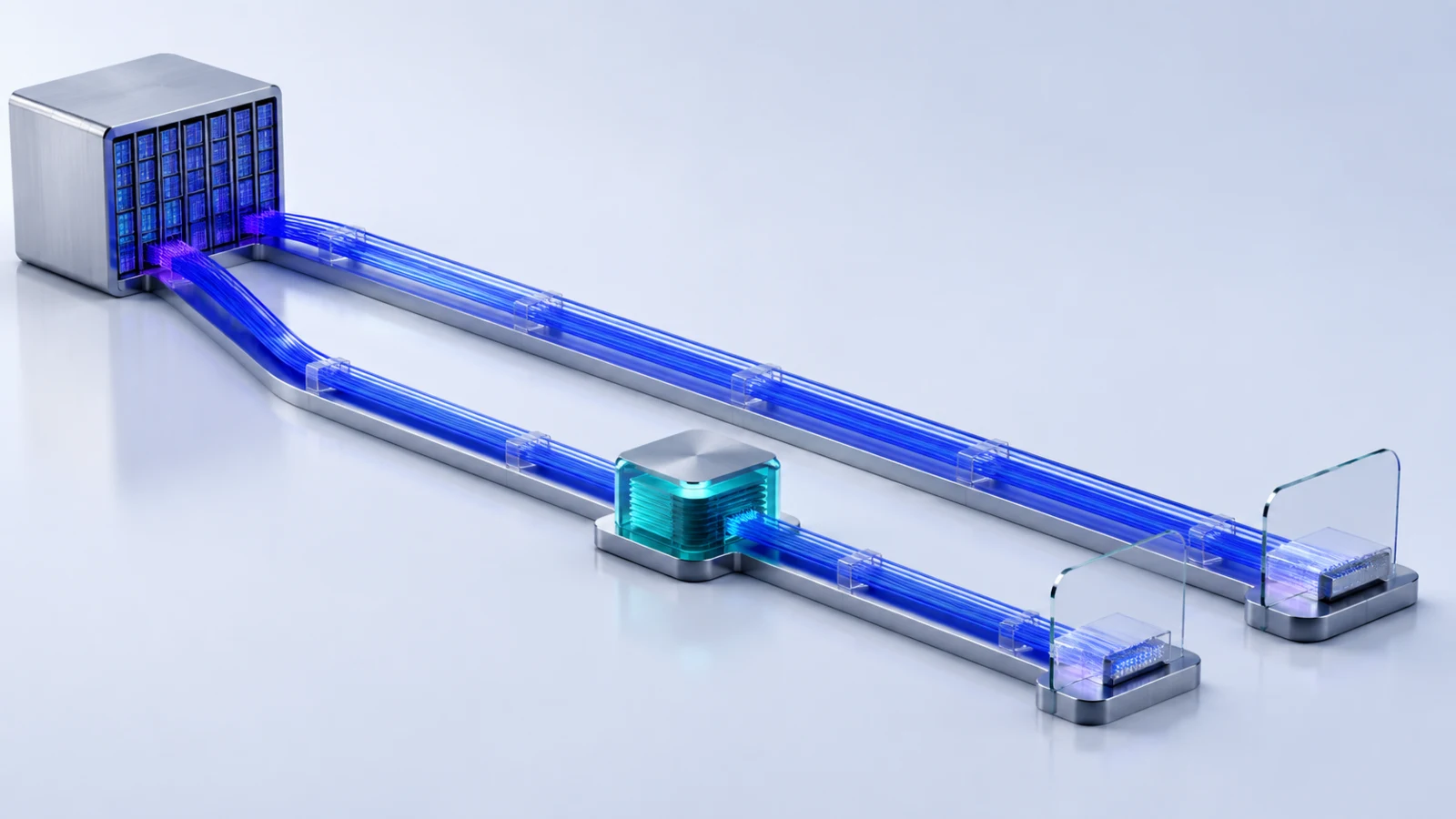 CDN vs no CDN: what changes for a global audienceNo CDN means the origin is the public internet path. That is simple until the audience is not in the same region, or until a campaign and a flood arrive on the same afternoon.
 How to hide your origin IP behind a CDNPutting a CDN in front and leaving the origin A record in old emails is not hiding. Attackers and scrapers will use the IP they already have. Cut over, then restrict.
 Origin offload: keep PHP, Node and storage off the public pathOffload is the share of work the origin no longer does. It is why CDN spend can be cheaper than another app node: CSS, images and anonymous HTML never needed PHP or Node in the first place.
 Cache hit ratio explained, and why 85% is a network averageHit ratio is the share of requests the edge answered without origin. Aptranet publishes an 85% average across the network. Your site will match that only if the bytes are actually reusable and the keys are not poisoned.
 Token authentication for CDN downloads and videoA cached object is still a public object if the URL is enough. Paid installers, embargoed video and pre-load game depots need a token at the edge so unauthorised clients never reach cache or origin.
 Why your website is fast at home and slow everywhere elseIf the office is in the same city as the origin, every local test is a lie about Tokyo, Sao Paulo and Cape Town. Those users are not slow. They are far.
 HTTP/2 vs HTTP/3: what actually changes on a CDNHTTP/2 fixed the one-file-per-connection mess. HTTP/3 fixes some of what TCP still costs on lossy paths. You want both at the edge, and you want fallback when a hotel network blocks UDP.
 TLS 1.3 at the edge: certificates, 0-RTT and forced HTTPSCertificates that live on a box you patch will expire at 2 a.m. Terminate TLS on the distribution. Use managed Let's Encrypt or upload a custom certificate. Redirect HTTP before origin ever sees it.
 HTTP/3 on a CDN: what changes for real usersHTTP/3 runs on QUIC over UDP. It cuts handshake cost and some head-of-line blocking that TCP still shows on lossy links. The useful part: the browser talks HTTP/3 to the edge. Your origin can stay HTTP/1.1 or HTTP/2.
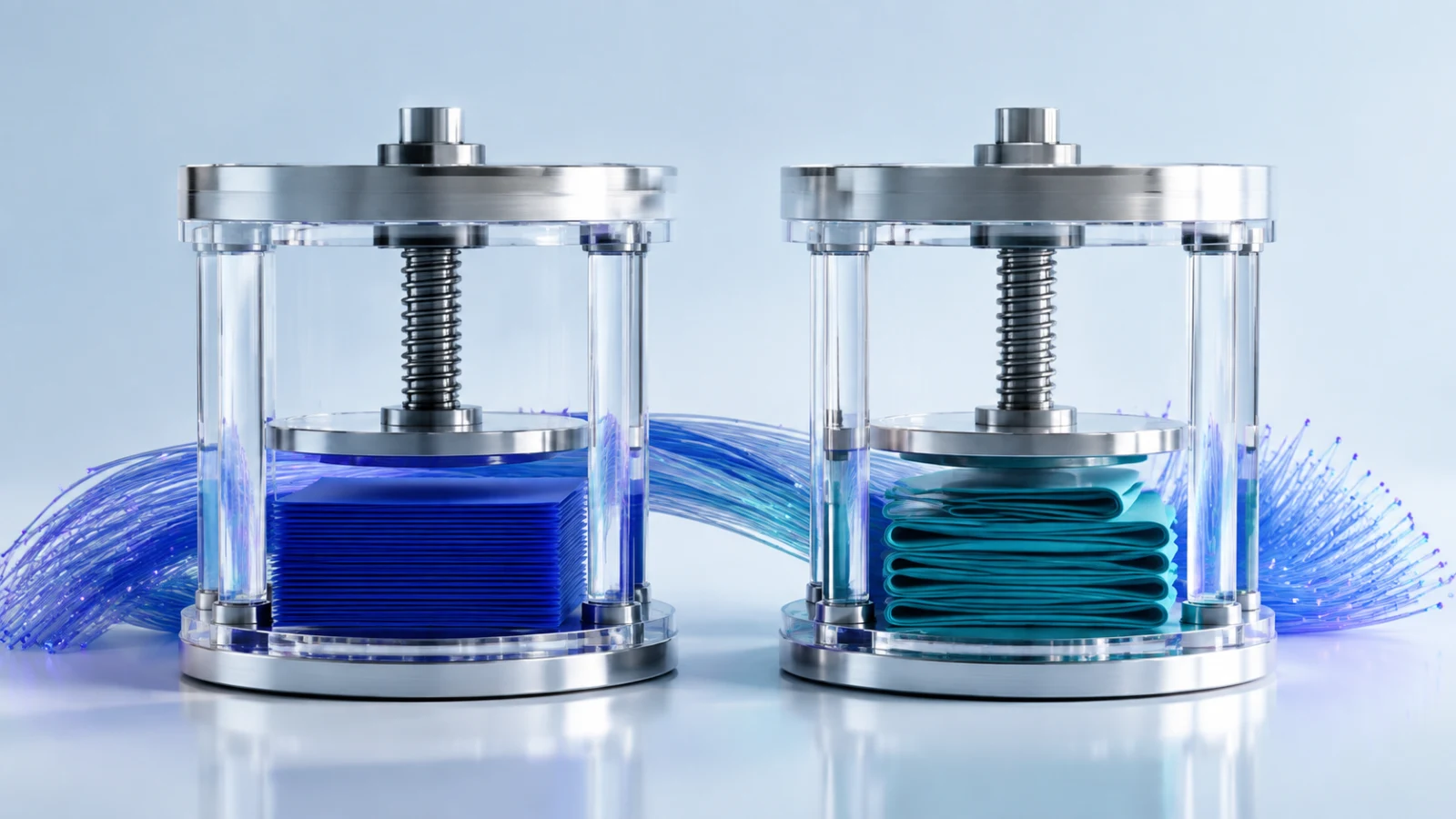 Brotli vs Gzip: what a CDN should compressText should not travel uncompressed from a global edge. Brotli usually wins on HTML, JS, CSS and JSON. Gzip remains the fallback. Images, video and zips should not be recompressed.
 DDoS and CDNs: absorb junk at the edgeDDoS is a capacity contest. If the public IP is the origin, you brought a VM to a network fight. If the public IP is Cloud CDN, the fight happens on 200+ Tbps with the origin off to the side.
 How to self-host web fonts on a CDNFont files are small and on the critical path. A third-party font host adds DNS, TLS and privacy surface. Self-host WOFF2 on Cloud CDN under your hostname.
 How to improve page speed with cache, images and HTTP/3Page speed advice often starts at minification. For anyone not in the origin region, it should start at geography. Cache the document, shrink the LCP image, self-host fonts, then talk about JavaScript.
 How a CDN protects origin infrastructureThe origin should not be a public address. Visitors terminate at Cloud CDN. The origin answers the shield, not the internet at large. That is protection even before a named DDoS feature.
 How to put large file downloads on a CDNRelease day is a read storm. A single origin disk will saturate before 210+ caches would. Version the filename, cache for a long time, shield first-byte, and token-protect anything that should not be public.
 Registrar DNS vs Cloud DNS: when the default becomes the outageThe DNS that came with the domain name is a convenience, not an architecture. It will answer until it will not: a high TTL during a migration, no health checks during an origin failure, no Anycast during a flood.
 Core Web Vitals and CDNs: LCP, INP and what the edge can fixCore Web Vitals are field measurements from real users. If those users are not next to your origin, LCP is a geography score until you put HTML and the LCP image on an edge.
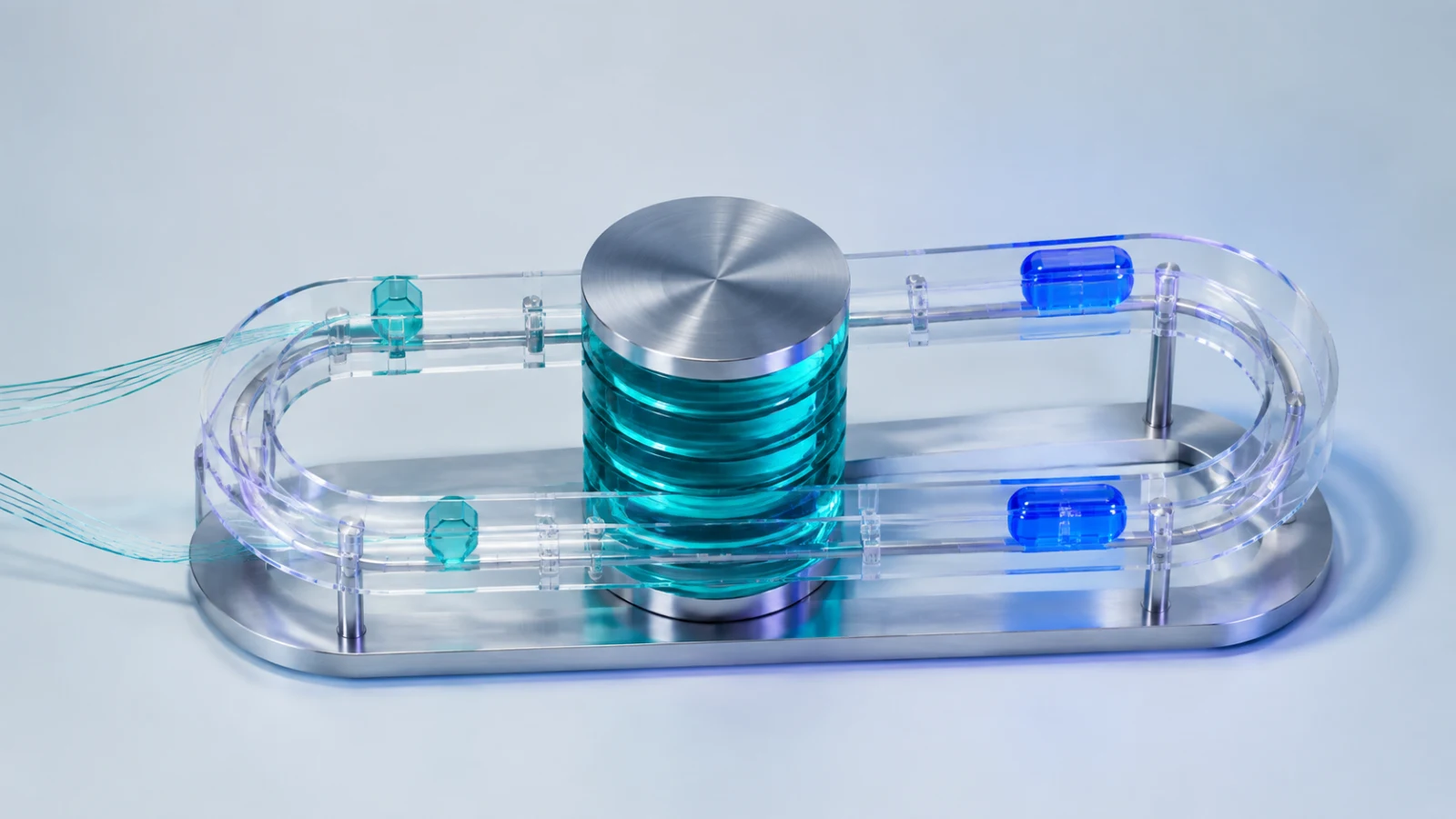 How to cache API GET requests at a CDNNot every API response needs a fresh origin hop. Public product, content and configuration GETs are often identical. Cache those. Never cache the ones that change with Authorization.
 Vanity nameservers: branded NS on Anycast DNSResellers and brand-sensitive products want ns1.theirname.com. Operating anycast DNS for that name is the expensive part. Vanity nameservers keep the brand; Cloud DNS keeps the network.
 How to reduce TTFB with a CDN and better DNSTTFB is the wait before the first byte of the response. People blame PHP, then ship a bigger origin. For global visitors the wait is often geography: a lookup in one continent and an origin in another.
 Live streaming on a CDN: latency, shield and load testsA live audience is a miss storm with a clock. If every viewer opens the encoder, the show is the outage. Cache live segments at the edge with short TTLs, shield the packager, and rehearse.
 IPv6 DNS: publishing AAAA without lyingIPv6 is a record and a transport. Publishing AAAA for an origin that only speaks IPv4 breaks dual-stack clients. Not publishing AAAA when Cloud CDN can deliver over IPv6 leaves performance on the table.
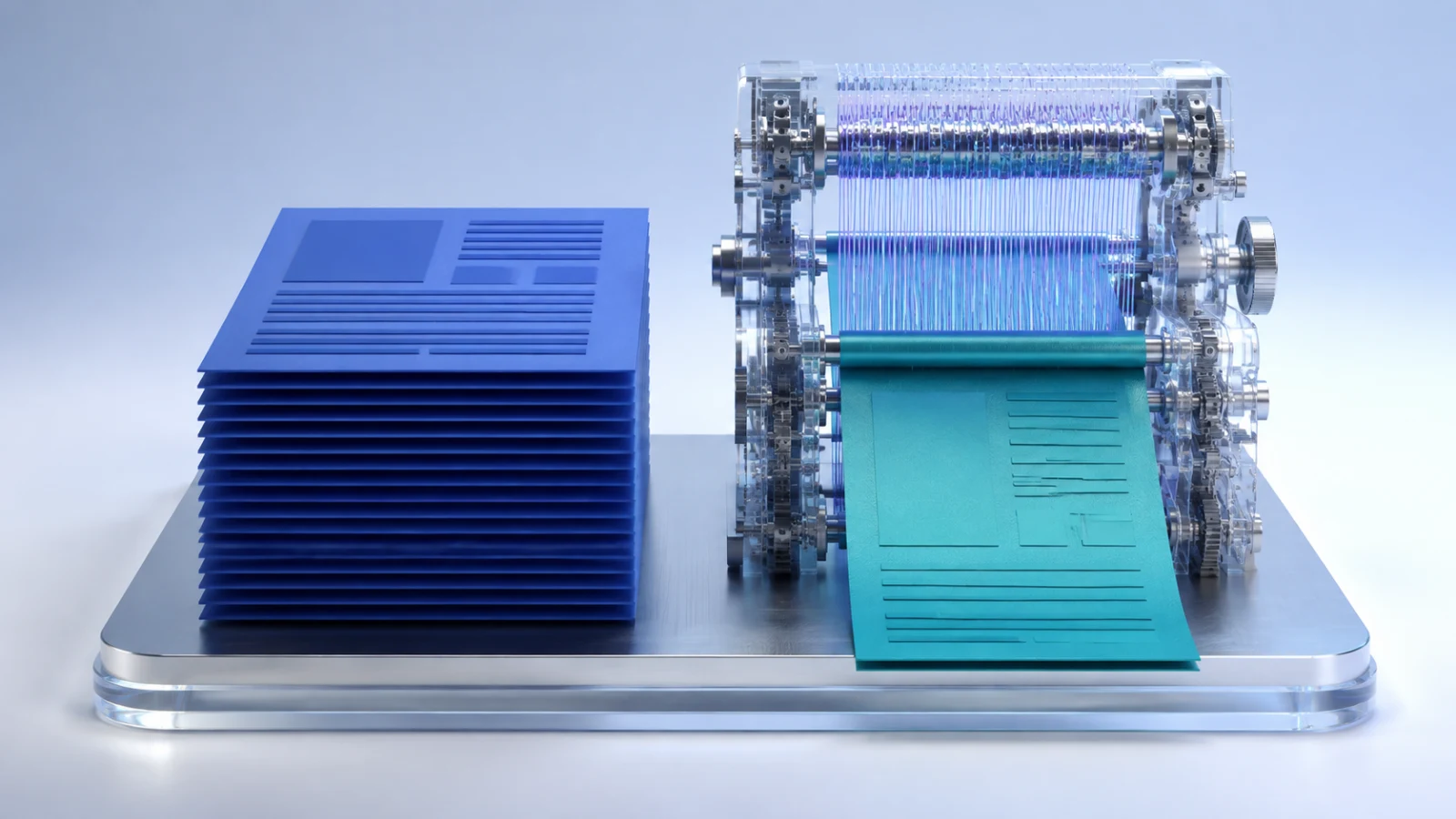 Static vs dynamic content on a CDNStatic means the bytes are the same for every anonymous visitor. Dynamic means the origin ran code. A surprising amount of dynamic output is still shareable — and that is the traffic a CDN should keep.
 How to deliver video on demand through a CDNVOD is a cache problem dressed as a media problem. Segments and files are large, popular and identical. The encoder should package once. Cloud CDN should repeat the result on 200+ Tbps.
 Lower DNS TTL before a migration — a checklistThe most expensive DNS mistake is changing a record that still has yesterday's 24-hour TTL. Lower first, wait, change, watch, then raise.
 CDN vs reverse proxy: what each layer is fornginx, Caddy, HAProxy and cloud load balancers are reverse proxies. They terminate TLS, route paths and sometimes cache — in one region. A CDN does related work at 210+ locations, with purge, Anycast and origin protection as the product.
 WebP and AVIF at the edge: image optimization without a batch jobMost teams still generate derivatives at upload, then ship an overweight original to a phone anyway. Keep one source image. Let Cloud CDN convert, crop and resize at delivery time, then cache each variant at the edge.
 Weighted DNS load balancing and canariesApplication load balancers only see connections that already arrived. DNS is the first chance to send 10% of answers to a new pool. It will not be perfectly even. It will be good enough to canary a region.
 What is a point of presence (PoP) in a CDN?A point of presence is a place the network can answer from. In a CDN it is where TLS terminates, cache lives and — on a miss — the origin is pulled. More PoPs only help if they are actually on the path your users take.
 How to purge a CDN cache without melting originA cache you cannot invalidate is a liability. A purge that invalidates everything is an origin incident you scheduled. Purge the path that changed, prefetch what you know will be hot, and keep hashed assets out of the ritual.
 DNS health checks: connect endpoint health to the recordStatic DNS will keep handing out an address after the application behind it is gone. Health checks make eligibility a measured fact, then a one-second TTL makes that fact usable.
 Cache-Control headers, explained for CDN operatorsBrowsers and CDNs both read cache headers, but they are not the same audience. A page that is private for a browser can still be a disaster if the CDN treats it as public. Set headers on purpose, then let Cloud CDN honour or override them with distribution policy.
 Origin Shield explained: stop miss storms from reaching originWhen a popular object expires, every edge can miss at once. Without a shield, the origin sees a fan-out of identical fetches — the thundering herd that looks like an attack but is only your own TTL.
 DNSSEC explained without the folkloreUnsigned zones can be spoofed between authority and resolver. Teams delay DNSSEC because they think it forbids geo, failover or low TTLs. On Cloud DNS those features still sit on a signed zone.
 How DNS works, from resolver to authoritative answerEvery page view starts with a lookup. The browser asks a recursive resolver; that resolver asks (or remembers) your authority. The TTL on the last answer decides how long the world will keep using it.
 Django STATIC_URL and MEDIA_URL on a CDNIf STATIC_URL and MEDIA_URL still point at the same host that runs views, you are paying worker time for CSS. Point both at Cloud CDN and keep admin on Django.
 CNAME flattening: how the apex can follow a hostnameRFC1034 forbids a CNAME at the zone apex beside other records. Sites still need example.com to follow a CDN hostname. Flattening is how the authority returns A/AAAA for that target without dropping mail.
 What is authoritative DNS?Authoritative DNS is the service that owns your zone. When a recursive resolver asks what www.example.com is, the nameservers you delegated are supposed to know. If they are slow, attacked or stuck on a high TTL, nothing else on the site matters.
 Laravel ASSET_URL and Mix/Vite on a CDNLaravel workers should run application code. They should not stream hashed Vite files and public disk images to every region. ASSET_URL and a media hostname exist so Cloud CDN can take that work.
 DNS TTL explained, and when to use a 1-second TTLTTL is a promise to recursive resolvers: you may remember this answer for this long. A 24-hour TTL on a record you might move is a 24-hour outage you pre-authorised.
 How to migrate to a CDN without downtimeCDN migrations fail on DNS and cache policy, not on the first byte of a test file. The origin can stay where it is. The public hostname should move only after the distribution has been proven.
 A Next.js CDN caching guide for App Router and ISRNext.js already thinks in cache. The mistake is leaving that cache in one region. Cloud CDN should hold /_next/static and shareable HTML at 210+ PoPs, with purge on deploy or revalidate.
 DNS failover: stop handing out dead endpointsIf the origin dies and DNS still returns it, every client retries the outage. Failover that waits on a 300-second TTL is not failover. It is a delayed post-mortem.
 How to choose a CDN: a practical checklistCDN marketing lists features. Production lists failures: a purge that did not land, an origin that melted on TTL expiry, a checkout cookie that got cached, a certificate that expired on one hostname. Choose against that list.
 How to cache WooCommerce without breaking checkoutWooCommerce storefronts die on sale day because product images and category HTML share PHP workers with checkout. Cache the aisle. Never cache the cart.
 GeoDNS explained: steering by country, ASN and subnetA single A record sends everyone to the same endpoint. GeoDNS lets the answer depend on where the lookup appears to come from. On Cloud DNS that can be coordinates, continent, country, ASN, IP or subnet.
 How a CDN works: request path, cache hits and origin missesA CDN looks simple from the outside — files feel closer — but the request path has three distinct jobs: receive, evaluate and deliver. Understanding those jobs is how you set TTLs, bypass rules and purge without surprises.
 How to set up a CDN for WordPressWordPress spends PHP on the same CSS, uploads and anonymous HTML thousands of times per hour. Cloud CDN should take that traffic. wp-admin, login and checkout should not follow it into cache.
 What is Anycast DNS?Unicast DNS has a home address. Anycast DNS has a home announcement: the same nameserver addresses are reachable from many places, and the network carries the resolver to a nearby available path.
 What is a CDN? Content delivery networks explainedA content delivery network (CDN) is a distributed cache in front of your origin. Instead of every browser, app or downloader opening a connection to one server, a nearby point of presence answers with a stored copy — or fetches once and then reuses that copy.