A content delivery network (CDN) is a distributed cache in front of your origin. Instead of every browser, app or downloader opening a connection to one server, a nearby point of presence answers with a stored copy — or fetches once and then reuses that copy.
The problem a CDN is built to solve
A website, API or media library still has an origin: the application, CMS or files host that owns the source. That origin is in one region. Every extra kilometre of network path shows up as TTFB, stalled first paint and saturated origin bandwidth.
Most of that traffic is repeatable. Theme CSS, hashed JavaScript, product images, documentation HTML and public API GETs are identical for large audiences. Sending each of those requests to origin is wasted work.
What actually happens on a request
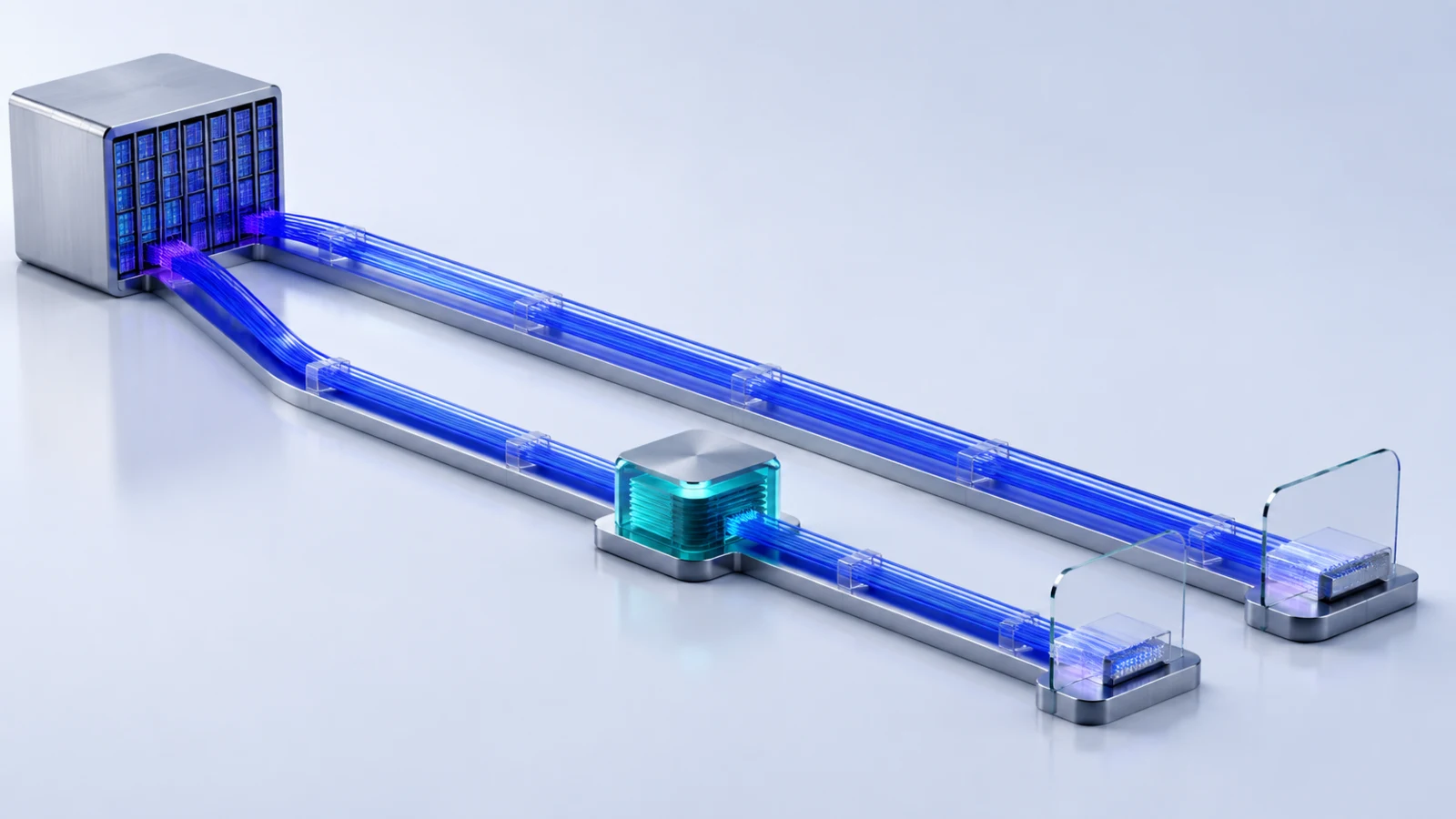
A user resolves your hostname and connects to a nearby point of presence. The edge looks up the distribution, applies cache policy, TLS and access controls, then either returns a cached object or retrieves it through the origin path.
On Aptranet Cloud CDN that path can include Origin Shield, so 210+ edges do not all open the origin for the same miss. Average worldwide latency is 30 ms, with an 85% average cache hit ratio across the network.
- Hits are served from the nearest edge
- Misses can be consolidated through Origin Shield
- Stale content can still be served if the origin is unavailable
What you should cache — and what you should not
Cache hashed assets for a long time. Cache anonymous HTML, images and public JSON with a TTL you can purge. Do not cache cart, checkout, wp-admin, authenticated APIs or anything that varies on a session cookie.
A CDN is not a replacement for the application. It is the delivery layer that keeps the application off the public path for work that does not need it.
CDN and DNS are different jobs
The CDN answers HTTP(S) after the client has an address. Authoritative DNS is how that address is chosen. Cloud CDN and Cloud DNS share 210+ locations, but you can adopt them independently.
If you are still on registrar DNS with a 24-hour TTL, a CDN cutover will wait on that cache even after the distribution is ready. Plan both layers.